Imaginative Kids Storybook PDF with Gentle Lessons
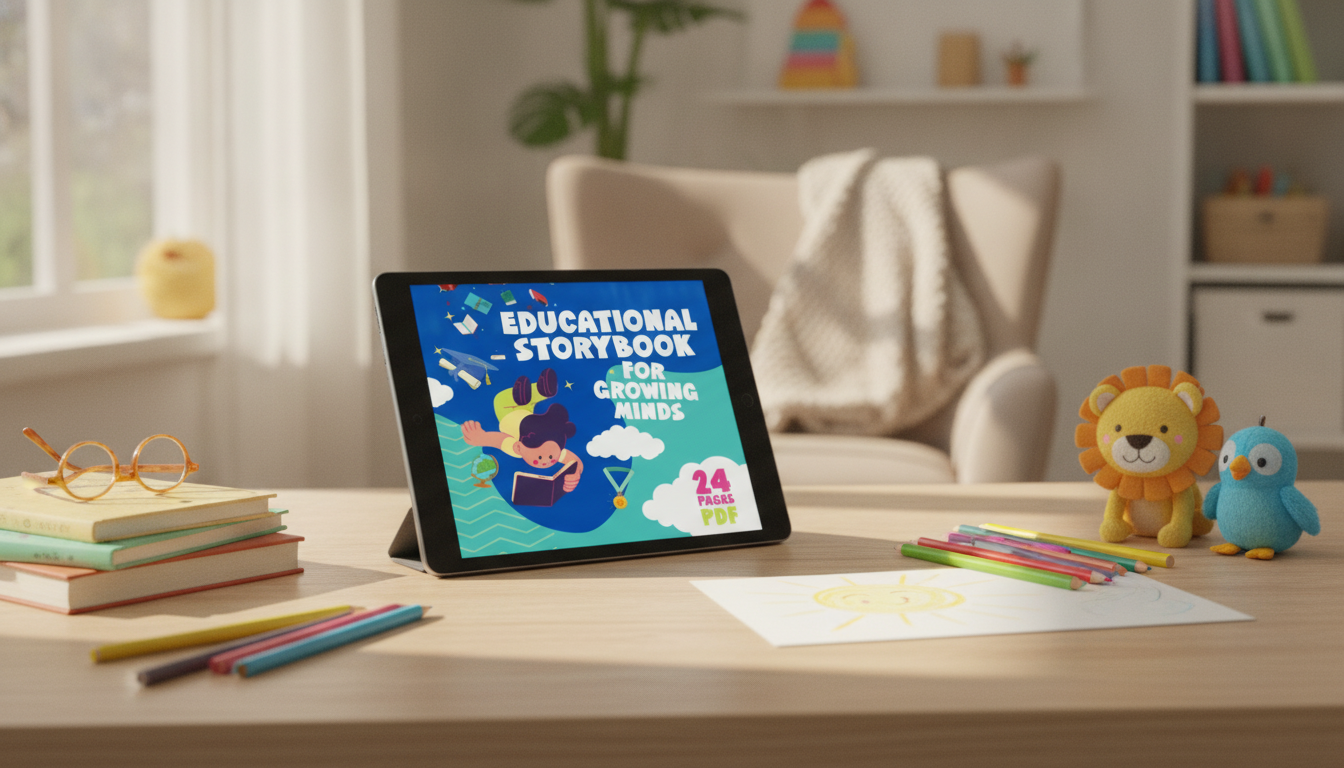
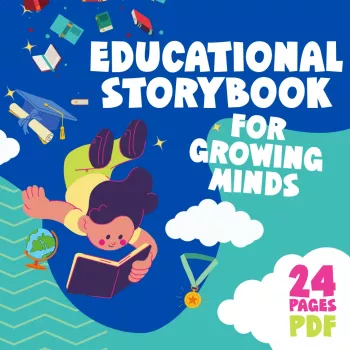
Educational Storybook for Growing Minds: Imaginative Lessons in a Ready-to-Download Kids eBook
A well-chosen story can spark curiosity, strengthen language skills, and gently guide character growth—all while keeping reading time fun. This digital story collection is designed for kids who love imaginative adventures and for caregivers who want clear, meaningful takeaways without turning reading into a lecture. With a ready-to-download PDF, it’s easy to build a calm, consistent reading rhythm at home, in the classroom, or anywhere a few quiet minutes pop up.
What This Story Collection Is
This is a digital storybook collection delivered as a downloadable PDF, so it’s quick to access and simple to use across devices. The stories lean into imaginative plots while weaving in age-appropriate lessons and natural “pause-and-talk” moments that feel like part of the adventure rather than a separate teaching segment.
- Digital storybook collection delivered as a downloadable PDF for quick access at home, in the classroom, or on the go
- Imaginative stories that blend engaging plots with age-appropriate lessons and discussion moments
- Designed to support growing readers and listeners through shared reading or independent reading time
- Works well as a bedtime read, quiet-time activity, or a short daily reading routine
What Kids Practice While Enjoying the Stories
When kids get immersed in a storyline, they practice core literacy skills in a way that feels effortless. The “work” is wrapped inside curiosity: What happens next? Why did the character do that? What would I do?
- Reading comprehension through plot, character choices, and cause-and-effect moments
- Vocabulary growth by encountering new words in context (often easier to remember than isolated word lists)
- Social-emotional learning through scenarios involving kindness, honesty, teamwork, patience, and resilience
- Critical thinking by predicting what happens next and reflecting on outcomes
- Confidence building from completing stories and sharing favorite parts aloud
Read-aloud time is also strongly linked to early language development and positive reading routines. For more on why reading together matters, see guidance from the Reading Rockets read-aloud overview and the American Academy of Pediatrics on reading and early brain development. For the social-emotional side, CASEL’s SEL fundamentals is a helpful reference point.
Why Digital Download Helps Busy Families and Teachers
A printable-ready PDF adds flexibility without requiring extra errands or shipping delays. It’s especially useful for households juggling activities, or educators planning quick transitions between lessons.
- Instant access: no waiting for shipping and easy to start reading right away
- Portable: keep the PDF on a tablet, laptop, or phone for reading anywhere
- Printable flexibility: print selected pages if a paper version works better for certain kids (where permitted by the purchase terms)
- Simple to reuse: revisit favorite stories for repetition, which supports fluency and comprehension
Storytime Ideas That Turn Reading Into Learning (Without Overdoing It)
The goal isn’t to “quiz” kids—it’s to keep storytime warm, playful, and just reflective enough that the lesson sticks. One small question can do more than a long conversation that drains the fun.
- Before reading: ask one prediction question (e.g., “What do you think the character will do?”)
- During reading: pause once to clarify a new word using the sentence context
- After reading: choose one reflection prompt—“What was the problem?”, “What was the choice?”, “What changed?”
- Extension activity: draw a scene, rewrite the ending, or act out a short dialogue to reinforce understanding
- Keep it light: one short conversation is usually more effective than a long lecture
Quick Guide: Who It’s For and How It Fits Different Ages
This collection can flex across reading stages. Younger kids can enjoy it as a read-aloud; developing readers can share pages with an adult; confident readers can dig deeper with “why” questions and personal connections.
- For early readers: use shared reading, point to words, and keep discussions brief
- For developing readers: encourage reading aloud and summarize each story in one or two sentences
- For confident readers: use “why” questions, identify the lesson, and connect it to real-life situations
- For classrooms or groups: rotate story leaders, assign simple roles, and follow with a short journaling prompt
Simple ways to use the PDF by reading stage
| Reading stage | Best format | Helpful prompt | Easy follow-up |
|---|---|---|---|
| Listening/early reading | Read aloud together | “Who are the characters?” | Draw a favorite moment |
| Developing reader | Alternate pages or paragraphs | “What was the main problem?” | Retell in 3 sentences |
| Independent reader | Solo reading + quick chat | “What choice changed the outcome?” | Write a different ending |
| Small group/class | Shared reading circle | “What would you do instead?” | Role-play the key scene |
What to Look For in a Kids Storybook With Lessons
If you’re comparing storybooks with “messages,” the difference is usually in how naturally the lesson fits. The best collections don’t interrupt the story to explain it—they let the plot do the teaching.
Product Details at a Glance
If you’re ready to start, you can find the downloadable PDF here: Educational Storybook for Growing Minds (Digital Download PDF).
A Simple Routine for Consistent Progress
More Digital Downloads You Can Pair With a Learning Routine
- Side Hustle Launch & Monetization Guide – Low-Risk Startup Playbook
- Daily Affirmations for Abundant Wealth | Audio Course
FAQ
What format is the download, and how is it accessed?
It’s a downloadable PDF. After purchase, you typically receive a download link and can open the file with common apps on a phone, tablet, or computer.
Is it suitable for different reading levels?
Yes—use it as a read-aloud for younger listeners, try shared reading (alternating pages) for developing readers, or assign independent reading with one quick reflection question for confident readers.
How can the lessons be discussed without making storytime feel like school?
Keep it kid-led and choose just one short question before or after the story. Connect the theme to a simple real-life moment (“Has that ever happened to you?”) and skip long explanations.










Leave a comment